Hype marketing has become one of the most powerful levers for brands in the social media era. With platforms acting as the backbone of modern marketing, hype has the ability to turn ordinary products into cultural icons.
At its core, hype marketing is about generating intense excitement and anticipation, often by creating stories, moments, and conversations that can translate into outsized sales and cultural momentum.
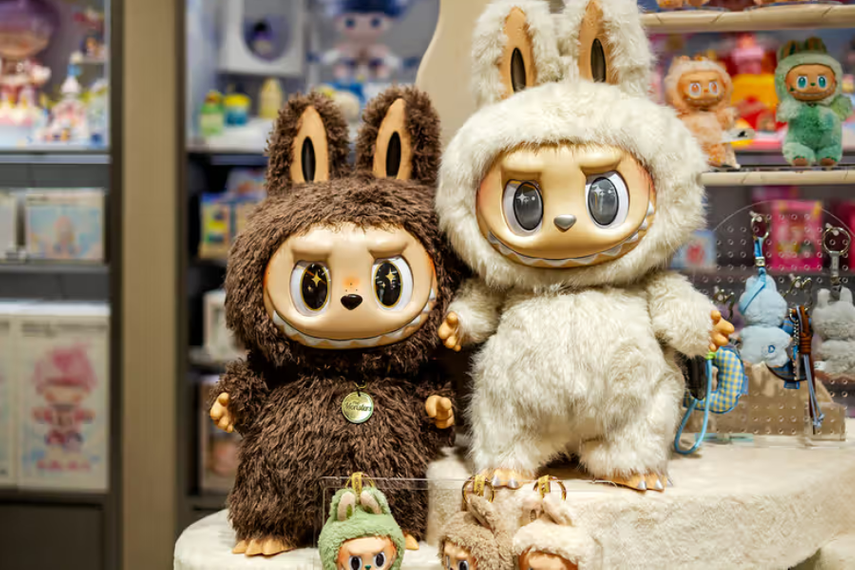
For instance, Stanley, once a utilitarian drinkware brand, turned its 40-ounce Quencher tumbler into a cultural phenomenon, driving revenues to $750 million in just a few years. Labubu, the quirky collectible from Hong Kong-born artist Kasing Lung’s ‘The Monsters’ series, became a viral sensation through Pop Mart’s blind-box strategy, helping the company grow revenue by 204% year-on-year in the first half of 2025.
Indian brands are experimenting with their own flavours of hype. boAt has turned limited edition audio drops into lifestyle statements, collaborating with celebrities and pop culture franchises to drive urgency and desire.
Zomato is another Indian brand that has mastered real-time hype marketing. Their approach combines timely campaigns, playful storytelling, and personalised engagement, turning everyday interactions into moments that feel shareable and culturally relevant.
What ties these stories together is a repeatable formula I call ‘The Hype Trifecta’: shared storytelling, scarcity, and community building. User-generated content brings the story to life, scarcity drives urgency, and strong communities turn buyers into loyal advocates who keep the hype alive.
Making the audience the star
The secret to lasting hype is definitely understanding your audience inside out. Brands that dig into nostalgia, cultural moments or the little quirks that make people laugh, create campaigns that audiences can’t help but notice, share, and talk about. When executed right, every post, notification, and advertisement pushes the target audience to join the conversation.
Zomato nails this in India. From witty, personalised push notifications to AI-driven meal recommendations to delivery agents showing up in orange to capture the spirit of Holi, Zomato turns everyday interactions into shareable, talk-worthy moments. Each campaign creates anticipation, sparks conversation, and makes customers feel part of a larger cultural movement—key principles of sustained hype.
Tapping into FOMO
Creating product scarcity, a classic tactic in the marketing playbook, remains one of the strongest ways to trigger hype.
Stanley understood this well. By dropping exclusive colours and seasonal collections in small batches, the brand created urgency and anticipation. Each launch became an event, with consumers rushing to buy before the stock disappeared. The fear of missing out turned the Quencher into a coveted lifestyle statement.
Labubu’s success story follows the same principle. The company behind the collectible, POP MART, never floods the market. Instead, it releases in carefully timed small batches, limited editions, and seasonal drops. No figure stays available for too long, and nothing feels overproduced. The result is a perpetual sense of exclusivity.
In India, boAt has applied this principle with remarkable success. It creates limited-edition designs around popular franchises like Marvel, Deadpool, Naruto, and the Indian Kalki that quickly fly off the shelves.
By keeping supply tight and making launches special, these brands turn every purchase into an experience for the consumers. This builds a sense of exclusivity that keeps consumers coming back for more.
Building communities that last
Stanley’s rise shows how a product can evolve into a cultural symbol when consumers feel they are joining something bigger than themselves. Buying a Stanley tumbler has become about joining a community with shared values, aesthetics, and a sense of identity.
The brand’s responsiveness during viral moments amplified this sense of belonging. For instance, when a customer’s car caught fire and her Stanley cup survived—ice still intact—the story became a social media sensation. Stanley’s president responded not with a polished press release but with an authentic gesture, offering to replace her car. That act of care resonated deeply with consumers, reinforcing that Stanley valued people, not just transactions.
Labubu illustrates community building in a different way. Fans gather in online forums and social media groups to discuss new drops, trade figurines, and speculate on upcoming designs.
This culture of sharing and collaboration creates a self-sustaining ecosystem where fans don’t just consume; they lead the narrative. This results in loyalty that extends far beyond the product itself.
Hype is fleeting, but…
These stories highlight a simple but powerful truth: hype on its own is fleeting, but hype built on community, authenticity, and adaptability can shape a brand’s future.
Scarcity may trigger excitement, but it is shared participation and belonging that sustains it. When consumers feel they are not just buying a product but joining a movement, the brand becomes part of their identity.
The real art of hype marketing lies in listening to your audience, staying nimble, and inviting them to co-create the story. Brands that understand the pulse of their communities and empower them to lead the conversation turn moments into movements.
The next decade of hype will be less about creating fleeting moments and more about building movements that consumers feel they co-own. That, to me, is where the true power of hype lies.

-Vishal Rajani, founder and CEO, Synergos