Truecaller launched the ‘The State of Trust and Attention’ report at Agency of the Year Awards 2025 that tracks something most marketers have probably noticed but haven't had good data on: people use their phones differently depending on why they picked it up. The study looked at over 400 million urban smartphone users and focused on what it calls ‘verified attention’ moments—times when someone unlocks their phone with clear intent.
They're checking who's calling. Responding to something important. Making a decision that requires focus. These aren't mindless scroll sessions or background entertainment. They're high-attention interactions where people actually care about what they're seeing. That kind of distinction is of apex importance, particularly for sectors such as finance, e-commerce, mobility, and services where trust and quick decisions ultimately lead to conversions. If someone's actively verifying an identity or responding to an urgent notification, they're in a different headspace than when they're sipping on their Matcha and passively scrolling Instagram reels or watching YouTube shorts.
The demographic skew is what you'd expect: urban, working-age users, higher income brackets, strong transactional behavior. These are people brands already want to reach. The question the report raises is whether they're reaching them at the right moment.
“Users come to Truecaller in a trust mindset. They open the app looking for clarity and confidence before taking action, and that behaviour creates naturally high-attention moments. This study shows how those trusted, high-intent interactions contribute to meaningful incremental reach and help brands engage audiences who are ready to act,” Archana Roche, Global Head of Measurement, Truecaller.
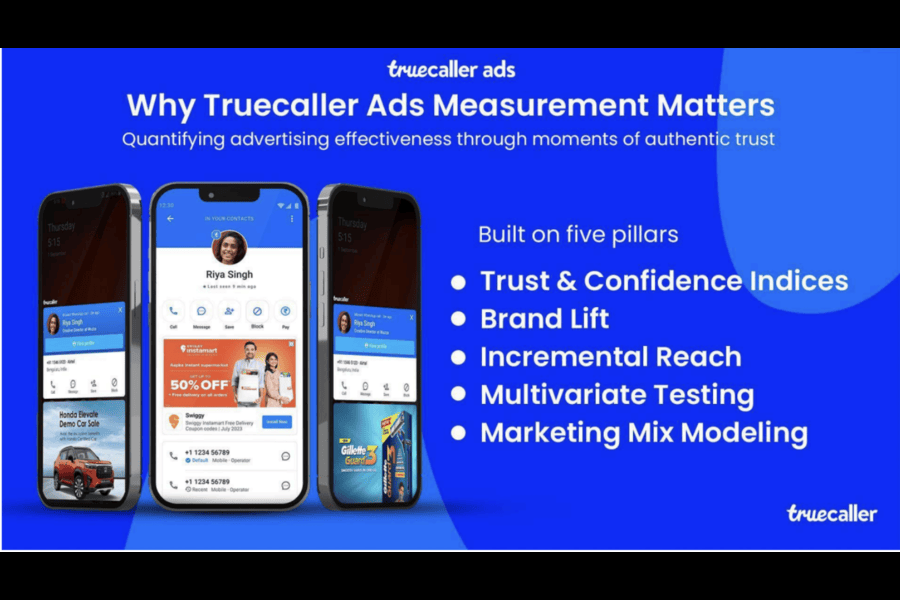
There's a broader measurement conversation embedded here. Digital advertising still leans heavily on impressions and viewability—metrics that tell you an ad could have been seen but don't say much about whether anyone actually paid attention or whether the context mattered. As consumer behavior splinters across more platforms and usage patterns, those traditional signals start feeling less reliable. Verified attention—where identity is clear, intent is high, and distraction is minimal—offers something more concrete. For advertisers, this isn't revolutionary thinking. Most already know that context and timing matter as much as reach. But having data that quantifies the difference between passive exposure and active engagement helps make the case for shifting budget toward moments that actually perform. The challenge, as always, is building campaigns around those moments without just chasing the newest metric.
What the report underscores is something the industry's been circling for a while: effectiveness isn't just about reaching people. It's about reaching them when they're ready to act, when their attention is real, and when the environment supports the message you're trying to deliver. In a fragmented, distracted digital ecosystem, those moments are harder to find. But when you do, they work.
Click here for the report.