
Small and medium-sized businesses (SMB) are leaning harder into AI in advertising, but their enthusiasm is tempered by the realities of implementation. New research from Amazon Ads suggests that India’s SMB sector sees AI less as a futuristic add-on and more as an operational necessity, albeit one that comes with a steep learning curve.
According to the findings, 89% of SMB marketing leaders believe AI in advertising will support future business growth by freeing up time for strategic priorities. That appetite is already translating into adoption: 71% of SMBs are either using or actively testing AI tools in their advertising workflows.
“Time is one of the biggest constraints for small and medium businesses, and every hour saved can go toward building stronger customer connections or developing new products,” said Kapil Sharma, director of Amazon Ads India. His point reflects a recurring sentiment across the study: AI’s value is viewed largely through the lens of operational efficiency rather than creative disruption.
Yet the excitement sits alongside uncertainty. Over half the respondents said the sheer volume of tools leaves them overwhelmed, while a sizeable portion wants to adopt AI but remains unsure of where to start.
Time-saving emerged as the most immediate perceived advantage. SMB leaders estimate that AI-powered tools could save them about 5.2 hours each week. This adds up to nearly 30 working days over a year.
Marketers intend to reinvest that time across core functions: 29% plan to accelerate sales efforts, 23% expect to focus on developing team capabilities, and 28% hope to explore new marketplaces and channels previously sidelined due to bandwidth constraints.
Cost efficiency is another strong motivator. The research indicates that SMBs expect a 31% reduction in advertising expenditure over the next year, attributing this to efficiencies created through reduced time spent analysing data, improved campaign reporting and optimisation, better predictive performance insights, and support in media planning. For many resource-constrained businesses, these gains represent a structural shift rather than incremental improvement.
Among those already experimenting with AI tools, tangible benefits are beginning to surface. Respondents cited improvements in automated visual creation, enhanced performance forecasting and automated ad copy generation.
These capabilities historically were available only to larger brands with deeper pockets. These early adopters expect further gains ahead, including improved audience reach, faster creative development and automation of repetitive campaign tasks.
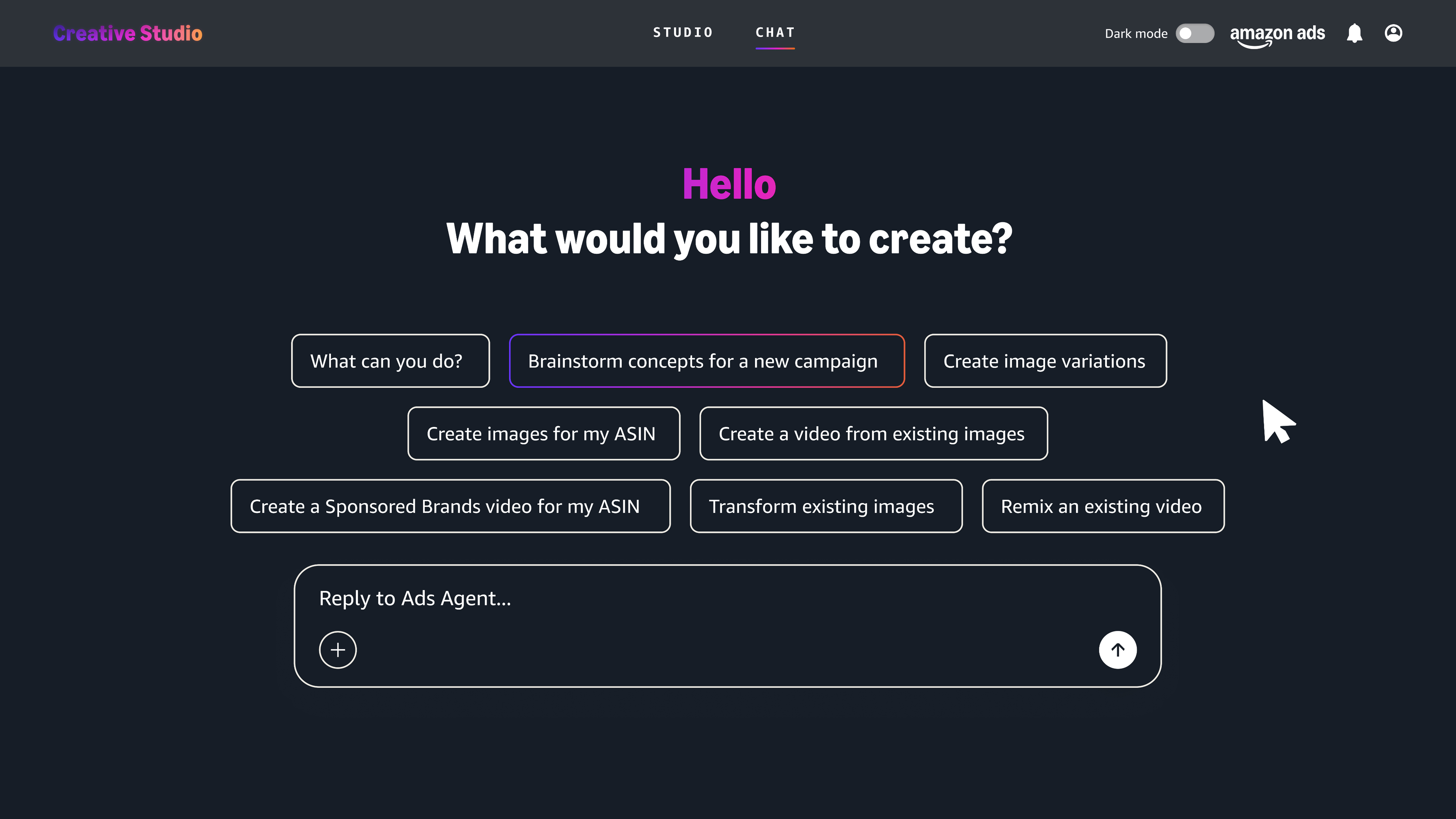
For emerging brands, however, AI-driven efficiencies are already reshaping execution cycles. “As a growing brand, creating high-quality visuals used to be a time-consuming process for us. With Amazon Creative Studio, we can now create and test multiple product concepts in the time it previously took to develop just one. This has not only reduced our production efforts but also contributed to better engagement across our campaigns, improving our ad efficiency by 20% and helping us reach new audiences more effectively,” said Sukriti Mendiratta, founder, Panda’s Box.
Still, capability gaps persist. The study shows that 60% of SMB marketing leaders feel overwhelmed by the proliferation of tools in the market, while 55% are enthusiastic about the promise of AI but unsure how to begin integrating it into their workflows.
Notably, 35% admitted to “faking it” when using AI tools, pointing to a knowledge deficit that could hinder broader adoption unless addressed through simplified solutions.
Despite the growing dependence on AI, the research also underlines a preference for retaining human oversight in crucial decisions. SMBs want marketing teams, not algorithms, to have the final say on creative outputs, budget allocation, and cultural or contextual nuance.
They view AI as an assistive layer rather than a replacement for judgement. According to the findings, 43% of respondents want to preserve human involvement in final creative approvals, 42% in budget decisions, and 46% in interpreting cultural and emotional context.
The appetite for digital acceleration aligns with broader industry trends. A separate report from Primus Partners, released last December, revealed that 42% of respondents allocated more than 40% of their marketing budgets to online advertising.
The findings highlighted that 74% believe personalised ads help them achieve business goals, and seven in ten SMBs now use more than two digital platforms to maintain a wider and more consistent presence. This diversification is partly driven by the expansion of vernacular content consumption across platforms such as ShareChat and YouTube, opening new opportunities in tier 2 and Tier 3 markets.
Ramakrishnan M, managing director of Primus Partners, said at the time, “MSMEs and startups, contributing 30 per cent to India's GDP, play a vital role in the nation's economic growth. To boost their performance, these businesses can leverage the power of digital advertising, including AI and AI-related tools, which 69 per cent of our surveyed SMBs found effective in achieving their business goals.”
He noted that policy reforms and industry-level strategies will be essential in reducing barriers and fostering innovation. Improving access to online advertising may require government-industry collaboration to deliver affordable tools through subsidised or tiered pricing models. Ramakrishnan also called for a multi-stakeholder approach to regulatory frameworks that balance transparency and consumer protection with business inclusivity.
Taken together, both studies highlight a sector eager to scale digitally but equally conscious of the gaps hindering effective adoption. India’s SMBs appear convinced that AI will be central to future growth, yet the road to meaningful implementation demands simpler tools, clearer guidance and frameworks that recognise the realities of small-scale enterprises. For marketers navigating one of India’s most diverse and price-sensitive segments, the message is clear: AI may be accelerating, but capability-building will ultimately determine who keeps pace.