India’s automotive sector closed a strong festive season with 52.3 lakh vehicles sold, reflecting a 23% rise in passenger vehicles and a 57.5% increase in EVs. Total passenger vehicle sales, including exports, reached 57,598 units. The segment continued the robust momentum of October, recording an estimated 4,25,000 units in November 2025. This marked a 21% year-on-year rise, supported by price reductions following GST cuts and heightened festive demand.
In late September, India reduced the goods and services tax on SUVs with engine capacities above 1500 cc to 40% from about 50%. The GST on small cars was lowered to 18% from 28%, a move aimed at encouraging consumer spending and supporting growth amid high U.S. tariffs. The pricing shift contributed to increased showroom interest ahead of the festive period.
Against this backdrop, VDO.AI has released its ‘Automotive Ad Engagement Benchmark Study’, analysing more than 200 campaigns across connected TV (CTV) and display formats. The study finds that CTV remains the preferred medium for high-intent automotive audiences, delivering a Video Completion Rate of 93%, above the industry benchmark of 85%. Display campaigns generated a 0.75% Click-Through Rate, nearly double the category benchmark, indicating their value in driving frequent engagement and supporting brand recall during the peak buying cycle.
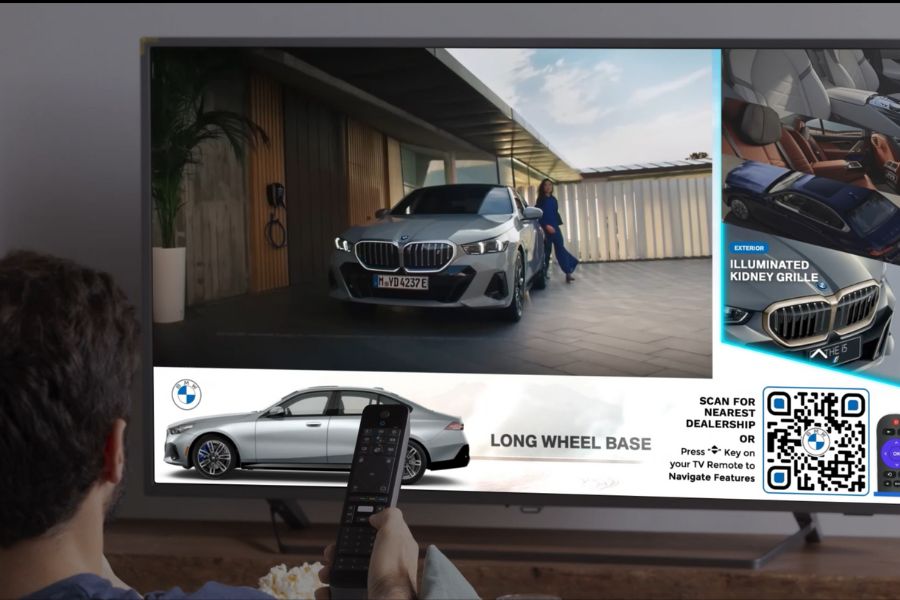
The report highlights a marked preference for remote-enabled CTV and in-scroll display during the 2025 festive season. Remote-enabled CTV was used by 60% of automotive brands, enabling full-screen, interactive storytelling through viewer-controlled interfaces. In-scroll display accounted for 40% of adoption, helping brands drive discovery through contextually triggered creative units across comparison sites and news platforms.
Regional engagement patterns show notable differences. Northern markets such as Delhi, Jaipur, Lucknow and Chandigarh recorded 78% higher ad engagement than southern and western cities including Bengaluru, Chennai, Mumbai and Pune. The North responded more strongly to CTV-led storytelling formats, while the South and West saw sharper CTR increases during periods featuring promotional offers. The findings point to the growing importance of regionally nuanced creative and media strategies.
Arjit Sachdeva, co-founder of VDO.AI, said, “Today’s car buyers are less influenced by flash; they seek information, trust, and relevance. Our study shows that immersive Remote-enabled CTV and Interactive In-Scroll Display formats deliver the highest engagement and video completion rates during the festive season.”
As digital discovery becomes more central to automotive consideration, formats combining narrative-led communication, interactivity and contextual relevance are expected to shape the next phase of high-performance campaigns in the category.