Shriya Seshadri
Jun 10, 2025

Nostalgia sells, but only when it’s designed to remember

From kitschy candy tins to minimalist memory cues, Summer Owl Studio founder and creative director explains why nostalgia-led packaging is becoming a branding strategy, not just a sentimental detour.

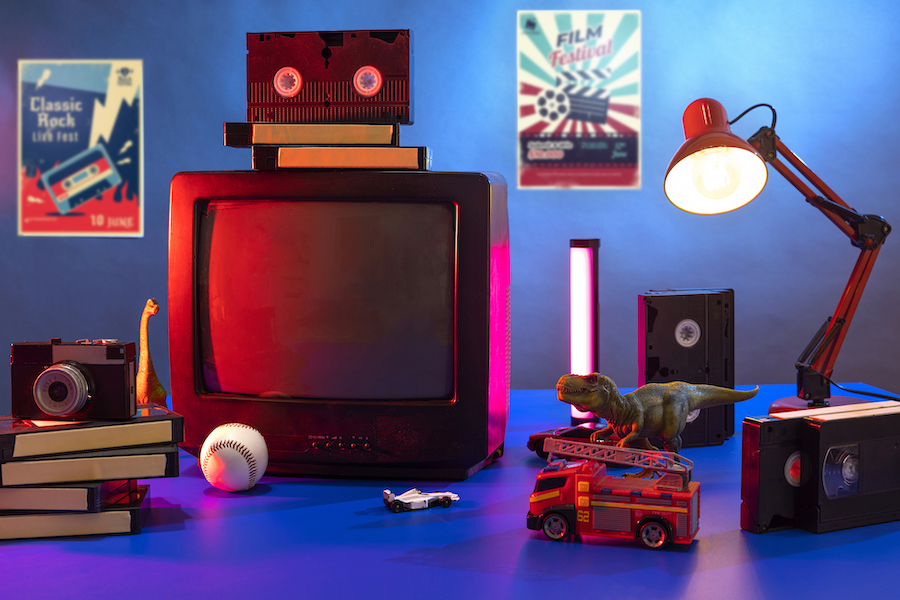
Image credit: Freepik.com

In a world where every shelf and scroll is overflowing with options, brands are no longer just fighting for attention, they are fighting for emotion. Nostalgia has always had a seat at the table in storytelling, but today, it has taken centre stage in design.

More and more, we are seeing brands look back to move forward—crafting visual identities that feel familiar, warm, and rooted in shared memory.

Nostalgic packaging design leverages the powerful emotional connections consumers have with the past, creating a bridge between eras and enhancing brand loyalty. 
 
By strategically incorporating circular shapes and vintage elements, companies can evoke feelings of warmth, trust, and reliability. This not only strengthens the brand’s position in the market but also broadens its appeal across generations.

Brands leading the pack

Subko: Subko Speciality Coffee didn’t just launch as a roastery. It arrived with a mission to elevate Indian-origin coffee and design with intentionality. Its packaging reflects this: kraft paper textures, postal stamp-inspired elements, old-school typewriters, vintage maps—each cue speaks of colonial-era aesthetics, reinterpreted with modern minimalism. The result is both contemporary and rooted. The nostalgia does not feel forced; it feels educational. It is packaging that tells a story and makes you want to be part of it.

Takeaway from the brand: Nostalgia can be a bridge between the forgotten past and a reimagined future, especially when paired with purpose and storytelling.

Bombay Sweet Shop: Step into Bombay Sweet Shop’s brand universe, and you will feel like you have opened a candy tin from your childhood, only elevated. From the striped boxes reminiscent of old-school general stores to the playful copywriting that winks at classic Bollywood, Bombay Sweet Shop fuses Indian nostalgia with contemporary design sensibility. Their packaging does not shy away from colour, quirk, or cultural kitsch. But it is smartly done, layered with warmth and wit. It taps into memories of Diwali gifting, school lunch breaks, and mithai dabba raids, moments that linger across generations.

Takeaway from the brand: Nostalgia works best when it is fun, immersive, and created with a win, not a whisper.

Forest Essentials and Kama Ayurveda: Brands like Forest Essentials and Kama Ayurveda tap into something more elemental—the timeless.

Their packaging draws heavily from classical Indian design: Sanskrit text, intricate floral motifs, earthy tones, and regal gold accents. There is a certain reverence in the way these brands present their products like you are holding a piece of Indian wisdom in your hands.

They invite you to remember not a specific moment from childhood but a more collective cultural memory: of Ayurveda passed down through generations, of brass vessels and temple rituals, of quiet self-care. In both brands, the nostalgia is subtle yet profound, and crucially, it is consistent across their product lines, reinforcing trust through aesthetic continuity.

Takeaway from the brand: Nostalgia can speak to cultural memory, not just personal memory and doing it with restraint adds to a brand’s elegance and trustworthiness.

Paper Boat: Long before nostalgia was a buzzword, Paper Boat made it their brand language. Their entire identity is rooted in memory, from the flavours of regional drinks like Aamras and Jaljeera, to their brand tagline: Drinks and Memories.

Their packaging is minimalist but evocative. The matte pouches mimic the look of school tiffin packs, with hand-drawn illustrations that feel like a child’s sketchbook—clean, quiet, and deeply emotional. Every element, from colour, form, and typography, is designed to take you back to simpler times. And it works. The product becomes more than a drink. It becomes a shared feeling, making Paper Boat not just a beverage company but a memory brand.

Takeaway from the brand: Nostalgia isn’t just a style, it is a strategy. When done well, it becomes your differentiator in an otherwise crowded, noisy market.

Why is this working?

Because today’s consumers don’t just want new, they want meaningful. They are drawn to brands that feel familiar, especially in uncertain times. Packaging that evokes memories provides comfort, trust, and a sense of belonging. Nostalgia-driven design is a way of saying: ‘We remember too. We see you. You belong here.’

Nostalgia isn’t a shortcut to sentimentality. It is a layered design language that must be tailored to your brand’s story, your audience, and your category.


— Shriya Seshadri, founder and creative director, Summer Owl Studio.


Source:
Campaign India

Related Articles

Just Published

1 day ago

Spikes Asia unveils 2026 jury lineup

11 Indians are on the list, including 2 jury presidents

1 day ago

Pinterest predicts the biggest Gen Z trends of 2026

The Pinterest Predicts 2026 report shows Gen Z using the platform to trade viral chaos for slower, highly curated lives. This means that making pen pals, maximalist brooches, and outdoorsy, explorer-coded fashion is back in again.

1 day ago

NutriChoice taps Aamir Khan to sell the power of ...

Britannia’s new campaign links tiny everyday decisions to bigger behaviour change, using the actor and mindful snacking as the creative bridge.

1 day ago

How Yas Island and Pickyourtrail Crafted a ...

In a world inundated with travel imagery, where every scroll reveals another sunset, skyline, or stamp-worthy escape, Yas Island, Abu Dhabi and Pickyourtrail manage to carve out a distinct space with Smash the Ordinary.