Surabhi Trivedi
Nov 19, 2025

Dismantling the climate rhetoric

Agencies need to rethink their role. Beyond crafting messages, they should act as conscience keepers to ensure that ‘purpose’ isn’t reduced to a positioning strategy.

Campaigns that use sustainability as seasonal branding erode trust, not just in the brand, but in the climate narrative itself.

With COP30 putting climate change back on the world stage, conversations about climate change are louder, as well as more complicated, than ever.

Every brand, agency, and influencer has staked their claim to be a leader in the planet's future- from purpose-led campaigns, to viral reels on ‘sustainable living’, to donations, to pledges, the climate convo has expanded far beyond the halls of policy and protest.

But, for all the noise, are we truly communicating urgency around climate, or just performing?

From activism to aesthetic

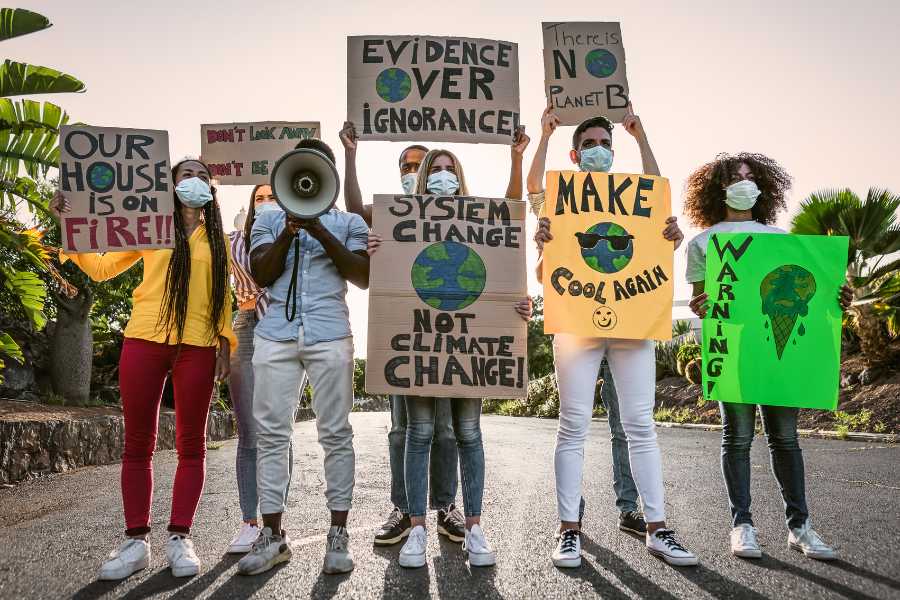
In the 1970s and 1980s, climate messages were raw, urgent, and deeply human. Campaigns by Greenpeace or Earth First! relied on confrontation and often risked arrest and backlash from the culture at large. But the goal of these warnings was moral clarity, not brand positioning.

Fast forward to today, and that message has been standardised: thirty-second social media videos with pastel filters, hashtags like #ActNow, or #ClimatePositive. We have gone from grassroots activism, where people demanded change on the streets, to repackaged-for-social-media conversations.

This shift matters. A message that was once rooted in moral obligation is now folded into commercial objectives. More and more, brands are framing climate responsibility as a lifestyle choice, through eco-friendly packaging, ‘green’ drops, carbon-neutral collaborations, all without recognising the imperative for systemic change.

The performance of purpose

The communication sector excels at telling stories that inspire people. However, in the green movement, movement is often replaced with metrics of momentum: shares, clicks, engagement rates. This has resulted in what many people are calling climate fatigue: a saturation of performative purpose that leaves educators informed and inert.

For example, a global fashion brand released a ‘sustainable’ capsule collection last year. While the campaign communicated stunning visuals of upcycled materials and the promise to “close the loop,” the collection represented less than 1% of the brand's total output, while the rest of their collection still leaned on fossil-fuel-based fabrics. The propaganda of the movement was more pronounced than the reality of practice.

Likewise, sustainability has emerged as a genre within creator ecosystems. Content describing influencer unboxings, zero-waste morning routine challenges, or attending a brand-sponsored climate summit may be well-intentioned, but it presents as disconnected from actual, systemic, large-scale progress on sustainability in the environmental crisis. Content metrics favour the viral, not the veritable. Science-based storytelling that exists through data, context, and nuance is unlikely to compete with a quick sound bite or an aesthetically pleasing post.

Lost in the scroll

Climate science is complicated. It entails probabilities, interdependencies, and delayed effects, and none of these translates to social media. There is a tension, however, when communicators are intent on translating complex messaging into something simple and/or dramatic and ‘humanised’ for faster acceptance.

In this process, authenticity starts to get lost. For example, campaigns that focus on individual behaviour change (‘skip the straw’, ‘bring your tote bag’) may create an initial spike of attention. These campaigns ultimately gloss over the problem and oversimplify the inquiry to focus on individual behaviour, not recognising structural causes, or industrial pollution, energy systems, or deforestation, etc. Once audiences realise this, they will more often disengage altogether because they feel misled and/or powerless.

What is missing is narrative honesty. The kind of narrative that includes trade-offs, uncertainty, and perhaps contradictory ideas. Climate communication should inspire but also inform, even if that generates discomfort. As communicators, we should navigate from “storytelling” to “truth-telling.”

The digital blind spot

Ironically, while we’re discussing sustainability, the environmental burden of digital infrastructure itself is almost completely absent from mainstream conversation. Data centres account for nearly 3% of global electricity consumption, a figure projected to double by 2030. Streaming services, cloud computing, and cryptocurrency mining all come with a significant carbon cost.

The problem: when was the last time you saw a brand campaign or public narrative that referenced those invisible emissions?

This is a remarkable oversight for an industry so rooted in digital engagement. For example, marketing agencies are hosting virtual events and metaverse activations labelled as “sustainable events”, while the servers that power those experiences consume energy at an industrial scale. If communicators take their supposed climate responsibility seriously, they need to start with an audit of their own ecosystems, from concept to creation to delivery and beyond.

This does not mean eliminating digital communication; it means being more thoughtful in the way it is done.

Tweaking the content format, reducing unnecessary data storage, and choosing platforms that run on renewable energy are all small but real actions. The bigger point is using your communications as a conduit to educate audiences that even digital convenience comes with an environmental burden.

A three-way reckoning

Today’s audiences are not naïve. They can spot greenwashing and purpose posturing faster than ever. For brands and agencies, this means that sincerity isn’t a creative choice, it’s a strategic imperative.

The most credible climate campaigns are those that connect communication to measurable action. When IKEA commits to sourcing 100% renewable energy or when Patagonia redirects profits toward environmental causes, the message resonates because the brand’s conduct precedes its content.

Contrast this with campaigns that use sustainability as seasonal branding. The dissonance between words and deeds erodes trust, not just in the brand, but in the climate narrative itself. Once cynicism sets in, even genuinely responsible initiatives struggle to be heard.

Agencies, too, need to rethink their role. Beyond crafting messages, they can act as conscience keepers, challenging clients to back up claims with evidence, guiding them toward transparent reporting, and ensuring that ‘purpose’ isn’t reduced to a positioning strategy. Communication must serve accountability, not optics.

In order to restore credibility in climate communication, a profound change is necessary. The success of climate communication should no longer be measured by awareness, but by results such as creating policy influence, enabling behaviour change, or quantifiable reductions in carbon.

Actual transformation is a result of partnership, engaging the scientist, local champions, and third-party validators to ground communication campaigns in both evidence and empathy. Communication can reclaim its power by being a bridge to citizens, directly connecting expertise with emotion, instead of a floating brand.

A call for humility

Perhaps the greatest aspect missing in the climate conversation is humility. The acknowledgement that no one brand, agency, or creator can ‘fix’ the crisis, but together, we can make the conversation more honest, inclusive, and impactful.

When COP30 brings world leaders together to negotiate policy, communicators are negotiating meaning: how do we discuss the planet without it becoming a prop? The answer may involve slowing the narrative down, valuing precision over performance, and centring voices that have been marginalised, including scientists, indigenous communities, and those most impacted by climate change.

If the last decade of climate communications is equal to visibility, the next has to be about validity. The planet does not need any more tag lines trickling down from a podium; the planet needs storytellers who can translate complexity into clarity, without compromising the truth.

Because at the end of the day, the validity of our words reflects the validity of our world.


-Surabhi Trivedi, founder, Media Maniacs Group

Source:
Campaign India

Related Articles

Just Published

3 hours ago

The multiverse of men in Asia

The next generation of men is defining masculinity as a spectrum, not a template, giving brands a rare chance to be a part of shaping culture.

6 hours ago

2026 is the year of ‘Imperfect by Design’

80% of creators believe 2026 is the year to regain creative control, according to Canva’s third annual Design Trends Report.

8 hours ago

Air India is scripting its redemption arc in its ...

Passengers have never smiled more than on an Air India ad.

8 hours ago

India’s food creators are quietly redefining how we ...

Regional food creators are India’s new culinary tastemakers, shaping what people crave and choose to eat.