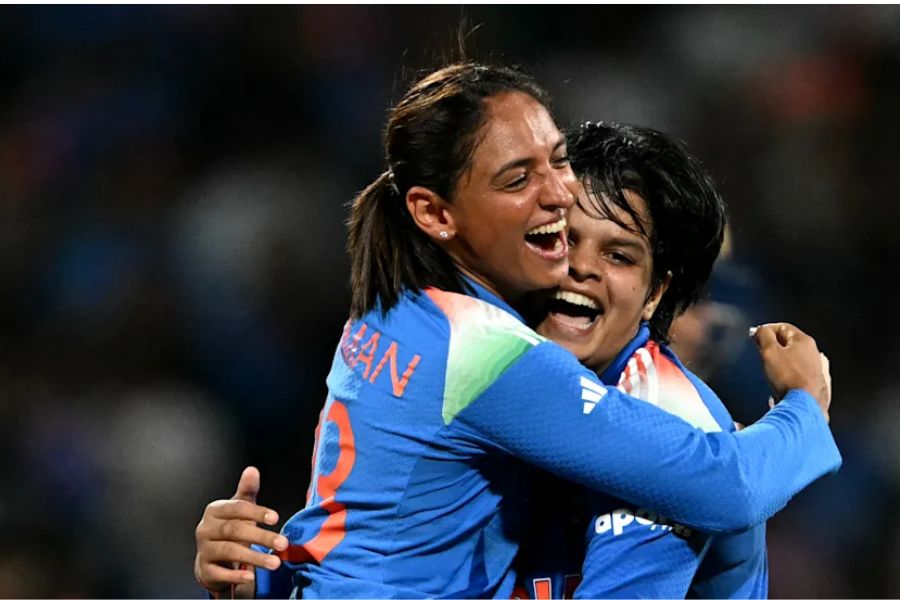
India’s women athletes stand at a point where the country finally sees them with the seriousness they have long earned. The recent World Cup win brought them into sharp national focus.
However, this is the result of decades of persistence that unfolded away from television cameras and marketing budgets. Many of the players who built the foundation for this moment travelled in unreserved coaches, shared equipment, and lived in dormitories because that was all the system offered. What we see today is years of progress finally breaking into public view.
How success stayed invisible
Women have been winning in Indian sport for far longer than the country has acknowledged. The first women’s cricket World Cup hosted by India in 1978 happened without fanfare. The team travelled with limited support and almost no media attention, yet they played with full commitment. The same pattern continued across the nineties and early 2000s. Matches were played, records were set, and careers were built with little national conversation around them.
What we are witnessing now seems larger because their work has reached a point where the gap between performance and recognition can no longer be justified. A similar arc has been visible in other sports. Athletes such as Mary Kom, PV Sindhu, and Anju Bobby George excelled for years before they were treated as central figures in India’s sporting narrative. Their success demonstrated something simple. When athletes win consistently, India engages. When the system highlights them, brands follow.
What changed the commercial lens
Brands are responding to clearer signals from audiences. Digital platforms have softened the dependence on traditional broadcast visibility. A training clip, a dressing-room moment, or a post-match remark can move quickly through social media and create familiarity at scale. Athletes do not need daily coverage to stay present in public memory. They need access to platforms where their personalities and discipline are visible.
This has helped brands understand value more accurately. When PV Sindhu’s endorsement portfolio grew, it showed how trust, consistency, and a recognisable work ethic convert into commercial influence. Similar shifts are visible in cricket and boxing. The audience responds to athletes who carry themselves with clarity and calm. Brands have begun to see that these qualities anchor long-term partnerships.
Structured leagues and stronger data have added further certainty. Contracts are now shaped by season-long visibility, performance metrics, and audience engagement. These tools make it easier for brands to commit to women athletes without waiting for occasional high points.
Male athletes have traditionally retained endorsements even in quieter seasons because they remain culturally central. Women athletes have rarely been given that stability. For sustained presence, their matches need predictable coverage and a consistent calendar. Audiences must engage with them across the year rather than only during major tournaments. Countries that have achieved this, such as Australia in women’s cricket, show how regular domestic leagues create a more durable commercial base.
The deeper shift that India still needs
Real progress will not come only from better broadcasting. It will come when the ecosystem listens to women athletes with the same seriousness that it extends to men.
Pay equity, training conditions, medical support, leadership representation, and travel arrangements influence careers just as much as results on the field. When these concerns are addressed routinely and openly, the country signals that women in sport are professionals with full careers, not occasional headline-makers.
There is a wider social dimension as well. Girls in India navigate barriers that go far beyond sport. Permission to travel, access to safe spaces, and the ability to choose a career are not evenly available. Supporting women athletes means supporting the environments they rise from. When society backs their choices and their causes, their influence grows beyond their performance. They become everyday figures of authority and aspiration, not only champions who appear after a trophy win.
India’s women athletes have been carrying the weight of quiet revolutions for years. Their recent achievements have made that work visible at scale.
The moment feels hopeful because it shows what is possible when performance meets opportunity. The task now is to ensure that this visibility does not fade when the tournament ends. If institutions invest with consistency, brands back long-term partnerships, and if society listens to women athletes with conviction, their place in India’s sporting imagination will remain firm.
They have already done the heavy lifting. The country now has to match their commitment with structure, attention, and respect.

-Amitesh Shah, founder and CEO of LegaXy, a sports and entertainment company.